A fashion trend is not limited to a color or a cut spotted on a runway. It is a bundle of signals, from material choices to silhouette proportions, that reflects a relationship with clothing at a given moment. This season, this relationship shifts towards pieces designed for everyday wear, featuring natural textures and softer volumes.
Natural materials and light layering: the textile foundation of the season
Linen, textured cotton, and fine knits are not new, but their usage is changing. Rather than confining them to a single piece, light layering becomes a dressing method: a fine knit top under an open cotton shirt, or a linen vest worn over a round-neck t-shirt.
This layering logic responds to a concrete constraint. Temperature fluctuations throughout the day make single-layer outfits impractical. Layering breathable materials allows for outfit adjustments without carrying an extra bag.
To follow fashion trends on Eleganzia, this textile approach deserves particular attention: it influences the drape, comfort, and longevity of pieces worn in daily rotation.
Textured cotton (waffled, honeycomb) adds visual relief without resorting to prints. Crinkled linen, long seen as neglected, is embraced as is. The material replaces the pattern as a style marker.
Flat silhouettes and fluid volumes: the end of the podium look in everyday life
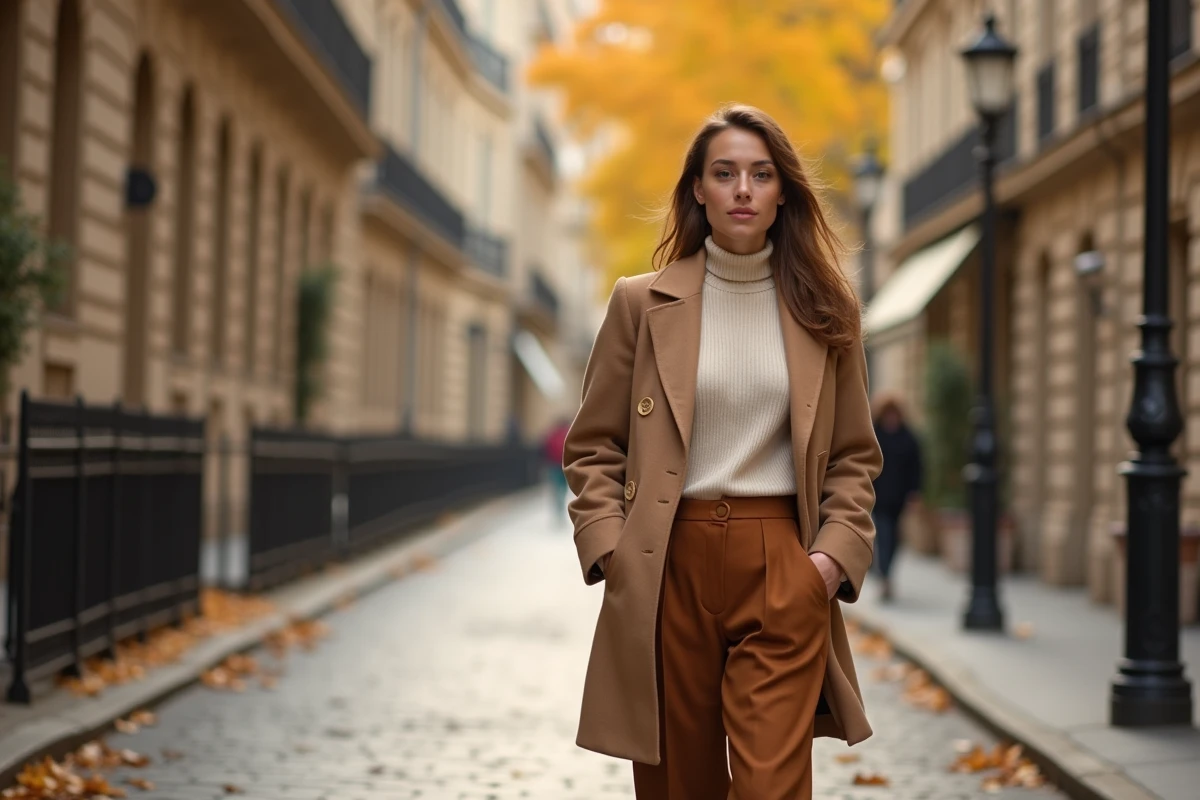
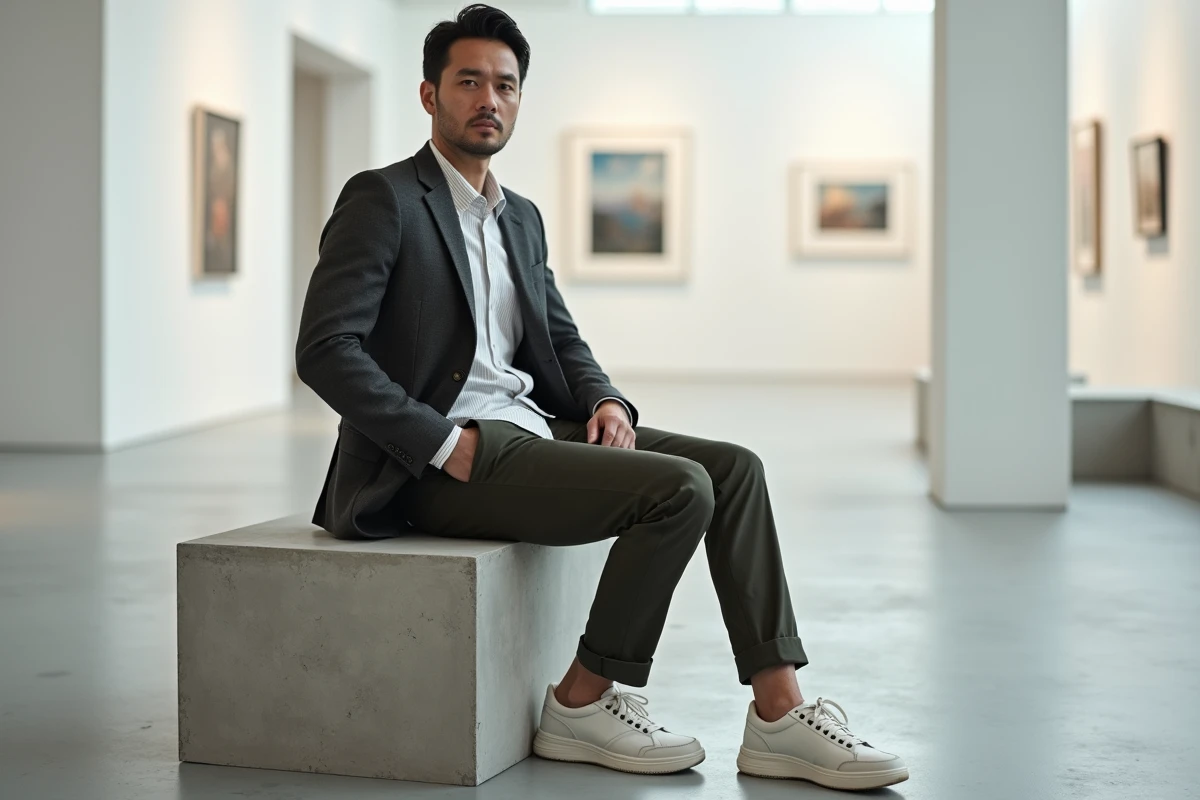
The rise of flat shoes this season is not trivial. It accompanies a global shift towards what can be called chic without heels: outfits designed to work with loafers, thin-soled sandals, or sleek sneakers.
In practical terms, this changes the proportions. Fluid trousers worn with heels fall differently than with flat shoes. Cuts adapt: slightly shorter hems, higher waistlines to compensate for the leg line.
The large functional format (soft totes, structured canvas bags) replaces micro-bags. Accessories become utilitarian again without sacrificing an aesthetic stance. The silhouette is considered from the ground up to the bag, not from top to bottom.
Three elements that anchor this silhouette
- Straight or slightly flared trousers, in cotton or linen, that do not depend on heel height to fall well
- Short jackets (light bombers, cropped cardigans) that define the waist without a belt and balance the volumes below
- Flat shoes with round or square toes, in natural leather, that close the silhouette without weighing it down
Vintage archive and current basics: building a hybrid outfit
Vintage is no longer worn as a total look. The so-called “archive” logic consists of isolating a strong vintage piece and pairing it with contemporary basics. A 1990s blazer with a current straight jean and a solid t-shirt. A vintage dress worn with recent sneakers.
This method produces more readable silhouettes than a fully thrifted assembly. It also reduces the pressure to buy: instead of renewing an entire wardrobe, a single vintage piece can change the overall look.
The choice of the archive piece matters more than its rarity. A gabardine trench coat from the 1980s, a wide-collared silk shirt, a patinated leather bag: these are volumes or materials that are difficult to reproduce new, and it is precisely this gap that creates visual interest.
Seasonal colors: muted tones, lemony accents
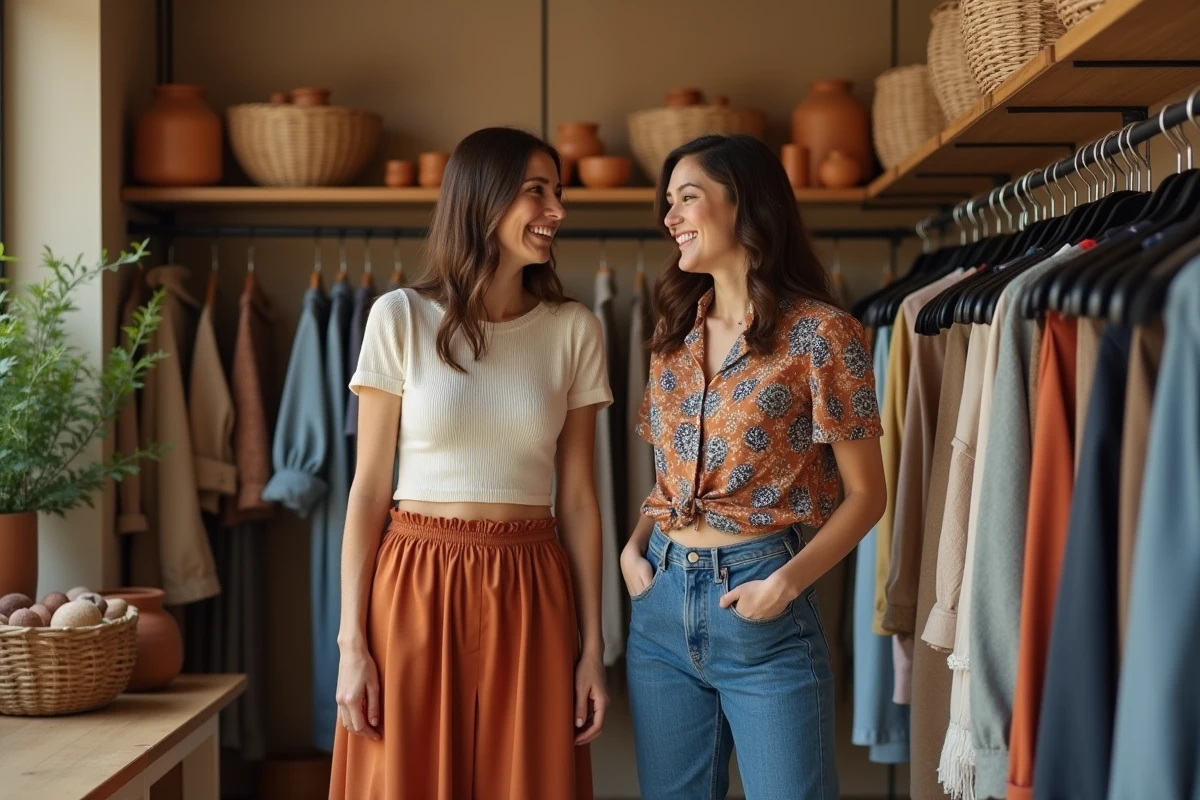
The dominant palettes oscillate between softened neutral tones (rosy beige, dove gray, off-white) and more vivid but contained accents. Butter yellow, already spotted on runways, works as a touch of color rather than a main color.
Wearing butter yellow as a full piece requires contrast. A butter yellow dress works better with dark accessories or brown leather than with other pastels. As an accent (a scarf, a bag, a pair of visible socks), it brightens a neutral outfit without dominating.
Combining seasonal colors without overload
- Limit color accents to one or two per outfit, leaving the rest in neutral tones to avoid visual dispersion
- Prefer value contrasts (light/dark) over hue contrasts (red/green) that age faster in a wardrobe
- Use bright color on a removable piece (jacket, scarf) to modulate the intensity of the look according to the context
Regulation and seasonal purchasing: what is really changing
In France, a proposed law adopted by the National Assembly in 2024 targets ultra fast fashion with financial penalties and advertising regulation for brands like Shein or Temu. This framework directly impacts how seasonal pieces are purchased.
The concrete effect is twofold. On one hand, the very low prices of ultra fast fashion could be increased by these penalties, reducing the price gap with more sustainable brands. On the other hand, advertising limitations decrease the visibility of ephemeral micro-trends that pushed for wardrobe renewal every three weeks.
For the consumer, this reinforces the interest in investing in pieces wearable across multiple seasons: solid materials, timeless cuts, adaptable colors. The style of this season is built less by accumulating new items than by choosing a few well-selected pieces and maintaining a stable wardrobe base.
The most sustainable trend of this season may not be a color or a cut. It is a purchasing reflex: fewer pieces, better chosen, worn longer.