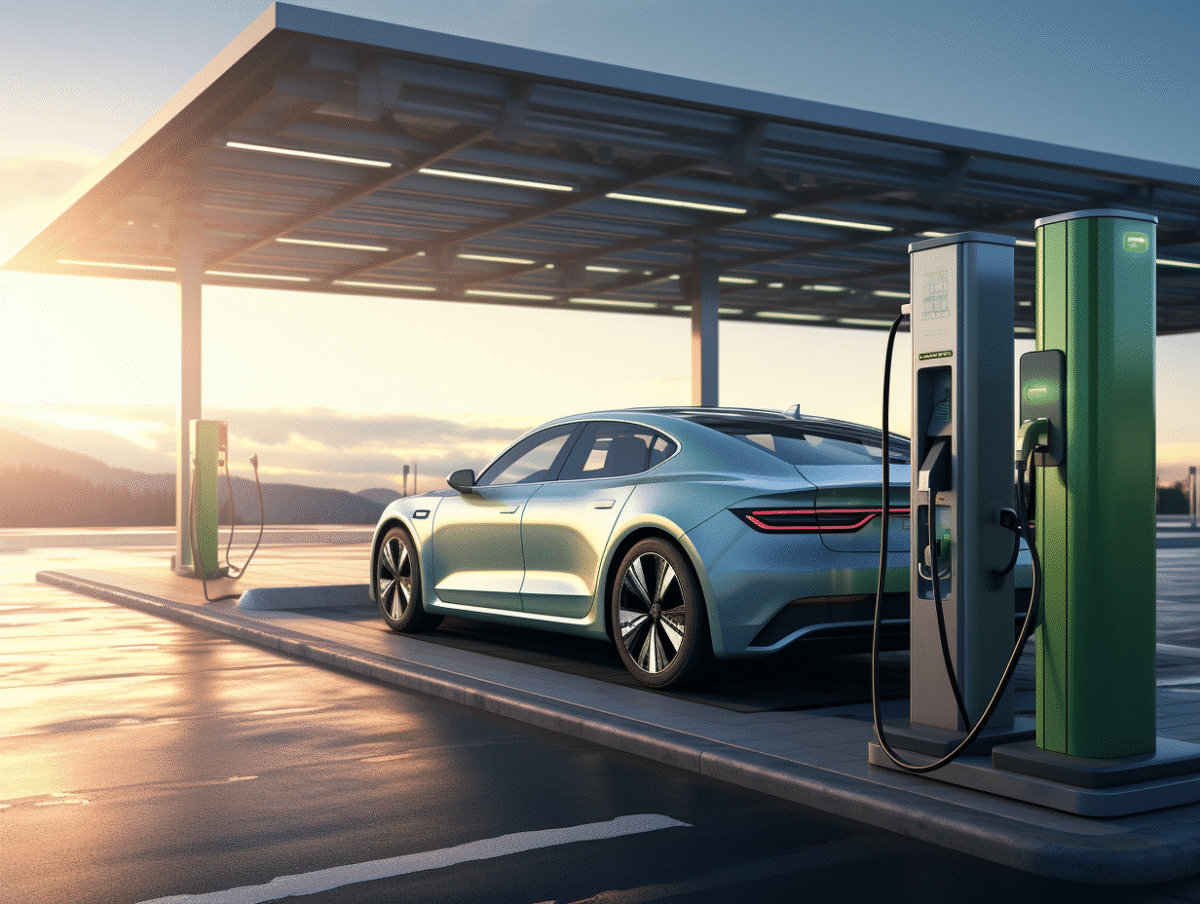
The electrification of transport is a growing trend, with massive adoption of electric vehicles (EVs) worldwide. Environmental concerns, technological advancements, and government policies are encouraging a shift towards cleaner solutions, with EVs being key players. However, questions remain about the sustainability of this enthusiasm. Is it just a fad or the future of mobility? From charging infrastructure to battery advancements, the factors that will determine the outcome of this transition are numerous and complex, leaving room for a rich and relevant debate on our society’s direction towards a more sustainable future.
Electric cars: technological revolution or fleeting trend?
Electric vehicles are positioned as a response to the energy transition that is taking place in the transport sector. With superior energy efficiency and drastically reduced CO2 emissions, especially in countries with a low-carbon electricity mix like France, the electric car seems to embody the long-awaited technological revolution. Jean-Marc Jancovici, a recognized expert in energy and climate, emphasizes the urgency of decarbonizing transport, with the electric car being a major player in this shift. However, questions persist regarding the durability of this phenomenon. The ecological footprint of battery production and life cycle assessment (LCA) are often weighed against the long-term environmental benefits.
For some, the electric vehicle market may only be a fleeting trend, a transitional solution towards even more advanced technologies like hydrogen or biofuels. The European Union plans to ban the sale of thermal cars starting in 2035, a timeline that seems to reinforce the electric car’s role as a pivot for sustainable development. This regulatory milestone, combined with initiatives like ‘Breizh Equitable’ that promotes sustainable and solidarity-based mobility, confirms the establishment of the electric car on the European automotive scene.
The challenge remains in the need to optimize the complete life cycle of electric cars, particularly the production and recycling of batteries. The hybrid electric car represents an interesting alternative, combining the advantages of electric power while addressing the limitations of range and charging time. In France, the environmental impact of the electric car is already 2 to 5 times lower than that of the thermal car, a gap expected to widen with the continuous improvement of the energy mix. These data, highlighted by in-depth LCAs, seem to confirm the role of the electric car as a sustainable solution rather than a mere trend.
Environmental impact and future challenges of electric vehicles
The reduction of CO2 emissions is one of the undeniable advantages of electric vehicles, particularly in countries like France where the electricity mix is already low in carbon. Indeed, according to a life cycle assessment (LCA), the electric car shows significantly superior environmental performance compared to the thermal car, with emissions 2 to 5 times lower. However, battery production remains more CO2 intensive. As a result, the automotive sector faces the challenge of minimizing the ecological impact of these essential components while optimizing recycling and recovery processes.
In light of this issue, the European Union is moving towards an ambitious environmental policy, marked by the announced ban on the sale of thermal cars by 2035. This decision, which is part of a broader context of combating climate change, promotes the acceleration of the transition to electric mobility. It also encourages manufacturers to invest heavily in the research and development of cleaner and more efficient technologies to meet future legislative requirements.
The electric car, while praised for its ecological benefits, still needs to overcome certain barriers to firmly establish itself in the automotive landscape. The continuous improvement of the electricity mix, battery storage capacity, and the efficiency of charging infrastructure are major issues. LCAs, the ultimate environmental assessment tool, highlight the superiority of electric vehicles in most countries around the world, even when accounting for the carbon footprint of battery manufacturing. To maintain this lead, the sector must continuously innovate and find sustainable solutions for future generations.