
The cooking water of rice, long confined to grandmother’s remedies for digestive issues, is making its way into discussions about sports recovery. This cloudy liquid, rich in residual starch and micronutrients, has a nutritional profile that deserves to be compared to classic recovery drinks. What does this water actually contain, and do its properties hold up when examined against the body’s needs after exertion?
Composition of Rice Water Compared to Classic Recovery Drinks
The difference between rice cooking water and a commercial isotonic drink is not just a matter of price. Their nutritional profiles diverge on several points that are important for muscle recovery.
| Criterion | Rice Cooking Water | Standard Isotonic Drink | Chocolate Milk |
|---|---|---|---|
| Type of Carbohydrates | Complex (starch) | Simple (glucose, fructose) | Mixed (lactose, added sugars) |
| Natural Electrolytes | Potassium, traces of magnesium | Sodium, potassium (added) | Calcium, potassium |
| Proteins | Traces | None | Present |
| Sodium | Low (addition needed) | Dosage according to formulation | Moderate |
| Digestive Tolerance | High | Variable | Problematic if lactose intolerant |
This table highlights a often overlooked point: rice water provides complex carbohydrates rather than simple sugars. This distinction has a direct impact on the speed of energy release in the body after training.
Scientific reviews published since 2022 on rice-based drinks confirm that cooking water naturally contains electrolytes, particularly potassium and small amounts of magnesium. These minerals complement pure water to compensate for losses due to sweating. However, sodium remains insufficient, necessitating an adjustment if one wants to make it a complete recovery drink.
Those who wish to drink rice water for athletes will benefit from understanding these differences before incorporating this drink into their post-effort routine.
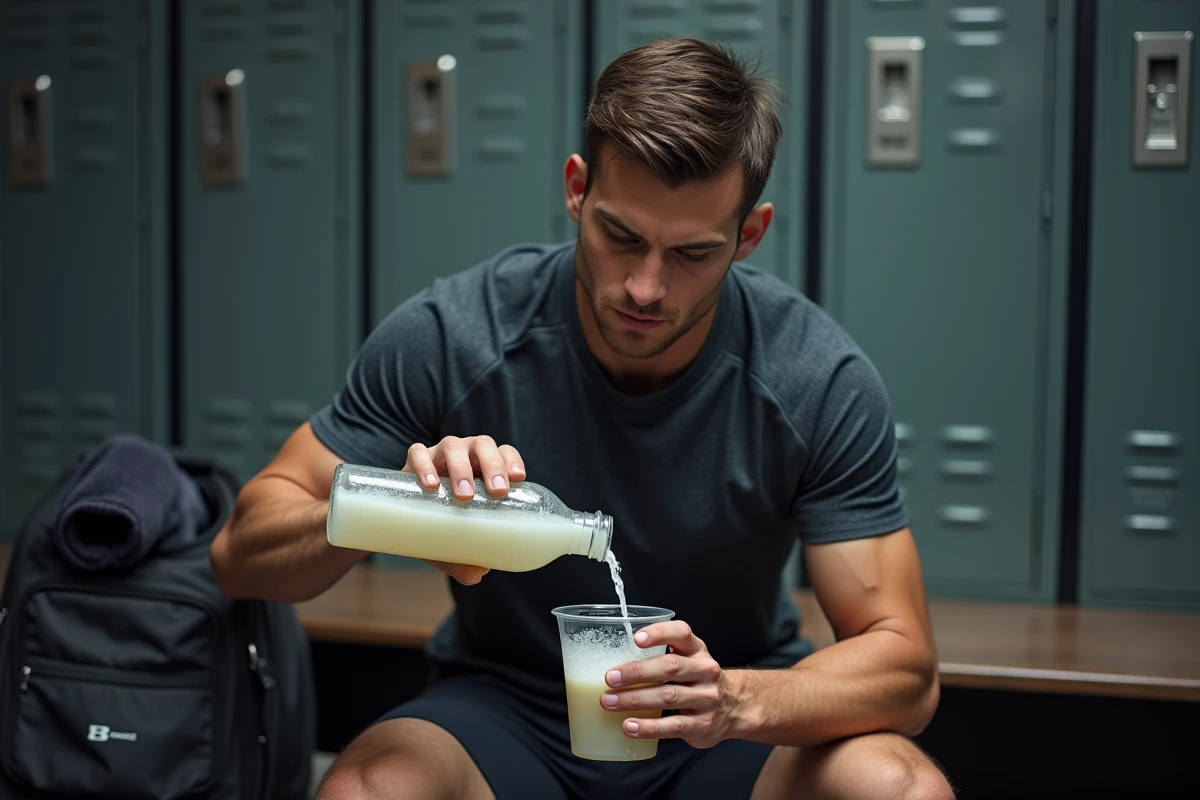
Post-Exertion Rehydration and Rice Water: What Recent Studies Show
Oral rehydration solutions based on rice are not a novelty in the medical field. They have been used for decades to treat dehydration related to diarrhea. Their transfer to the sports context relies on a similar mechanism: restoring fluid balance without overloading the body with quick sugars.
Recent studies in sports nutrition indicate that these solutions allow for effective rehydration with a lower risk of exercise-induced hyponatremia than hyperhydration with plain water. Hyponatremia, this dangerous dilution of blood sodium that sometimes affects endurance athletes drinking too much pure water, poses a real risk during long events.
The simultaneous intake of complex carbohydrates and sodium (if a pinch of salt is added) through rice water creates conditions for more gradual intestinal absorption. The body retains the ingested liquid better, which improves the quality of rehydration compared to plain water consumed alone.
Limits to Know About Sodium
Rice cooking water alone does not meet an athlete’s sodium needs after intense exertion. Sports dietitians have recommended since 2023-2024 to use it as a base for a salty post-exertion broth, enriched with herbs and sometimes neutral proteins. This preparation transforms a kitchen by-product into a functional drink suitable for the metabolic window following training.
Digestive Tolerance: A Decisive Advantage for Some Athletes
Recovery is not solely determined by nutritional content. A food or drink perfectly dosed in carbohydrates and proteins is useless if the athlete cannot comfortably absorb it after exertion.
Athletes suffering from lactose intolerance or digestive issues with classic recovery drinks (milk, whey, very sugary drinks) face a concrete problem: they delay their post-exertion food intake, which reduces the effectiveness of the metabolic window. Sports medicine specialists report that these profiles often tolerate rice-based drinks better, allowing them to eat sooner after exercise.
This superior tolerance can be explained by several characteristics:
- The absence of lactose and milk proteins, two common sources of gastrointestinal discomfort for athletes after intense exertion
- A very low concentration of simple sugars, reducing the risk of osmotic disturbances (bloating, diarrhea) common with overly concentrated energy drinks
- A soothing effect on the digestive mucosa, recognized in traditional medicine and consistent with the medical use of rice-based solutions
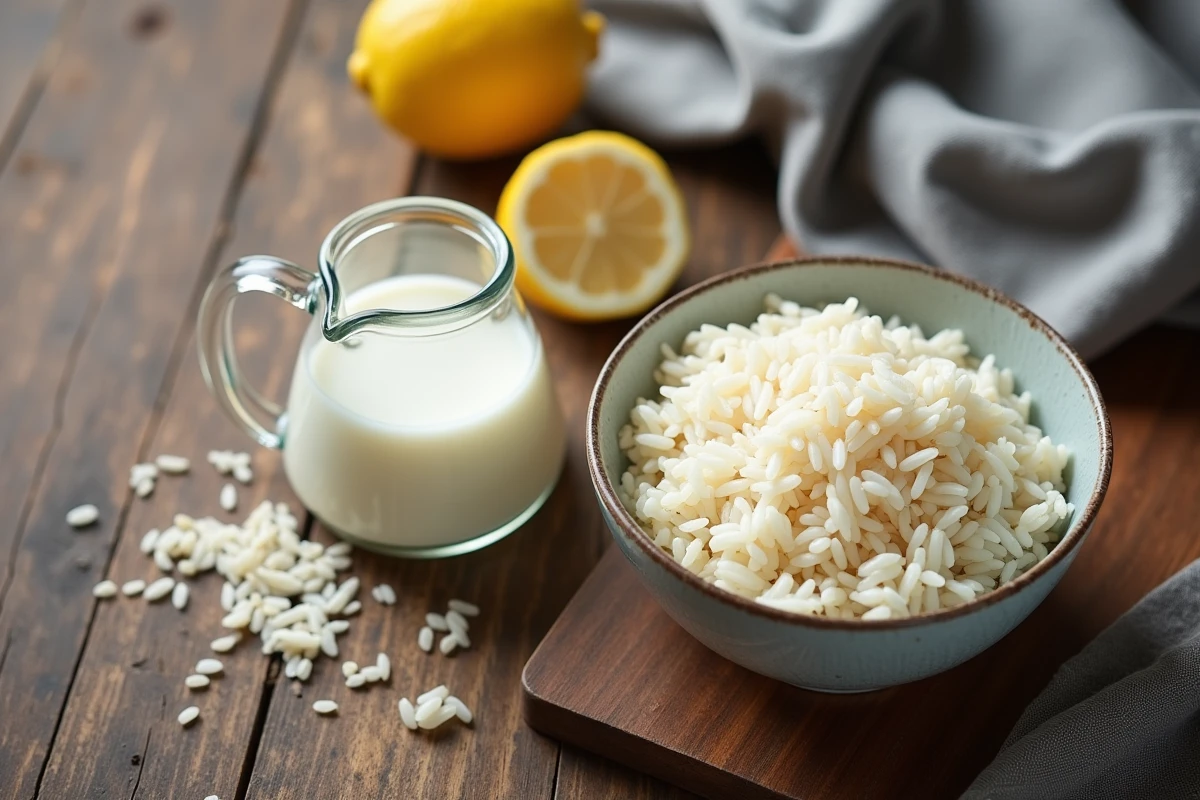
Preparing Rice Water Suitable for Sports Recovery
Using rice cooking water as a recovery drink requires some adjustments compared to simply recovering the cooking liquid.
- Prefer unfortified white rice, cooked in a volume of water greater than normal (about double), to obtain a liquid sufficiently concentrated in starch
- Add a pinch of salt during or after cooking to compensate for the sodium deficit, a mineral lost in large quantities through sweating
- Consume this water warm or at room temperature in the minutes following exertion, alone or mixed with a compatible protein source to complete the intake of amino acids necessary for muscle repair
- Store the liquid in the refrigerator if prepared in advance, and consume it within twenty-four hours
A Supplement, Not a Substitute
Rice water does not replace a structured recovery meal containing proteins, carbohydrates, and fruits. It serves as a first step in rehydration, easy to prepare and well tolerated, before a more complete meal. For endurance athletes who are stacking sessions, this approach allows for a restart of nutrition without stressing an already taxed digestive system.
The point that distinguishes rice water from other natural drinks remains its digestive tolerance combined with a supply of complex carbohydrates. For athletes with sensitive stomachs or those seeking an alternative to industrial products, it represents a concrete option to test, provided sodium is adjusted and one does not expect a protein supply that it does not provide.