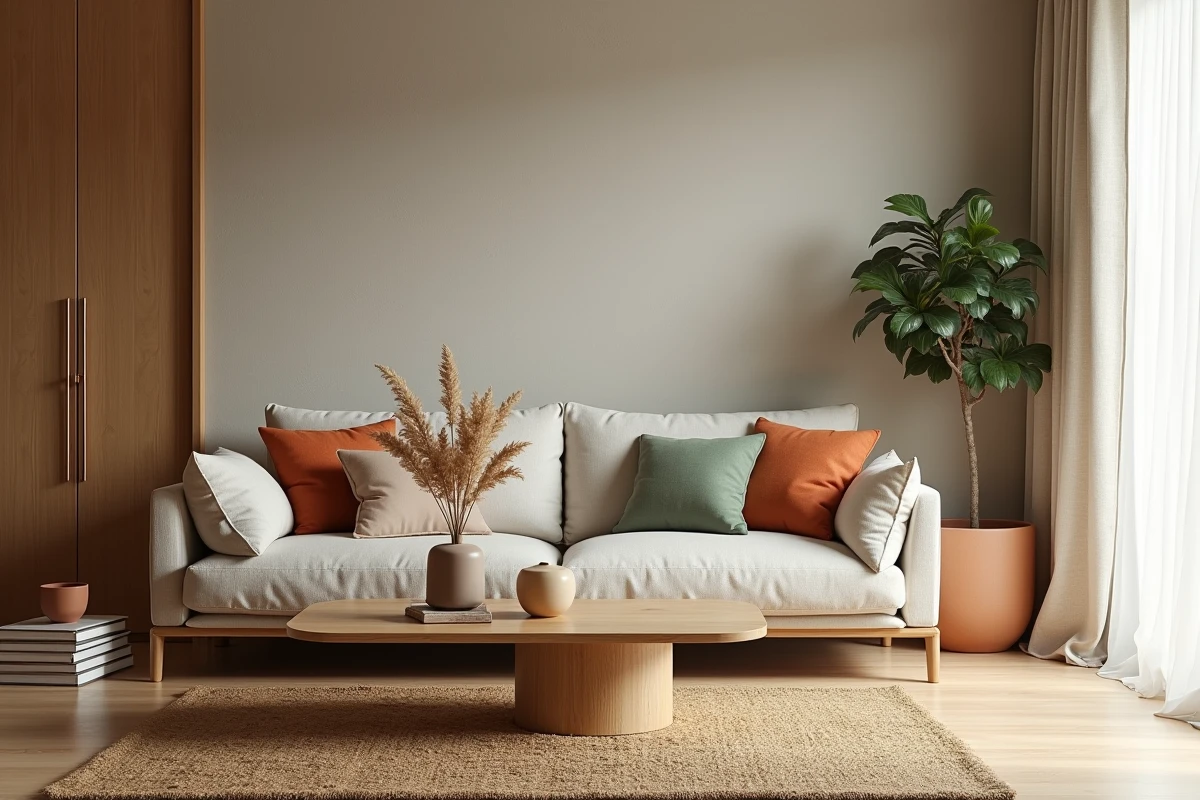
A wall that sounds hollow, a sofa too bulky for the room, a pale light on the ceiling: we all know that living room where something feels off without being able to explain it. Interior decoration is not just about choosing a trendy color or piling up cushions. It relies on concrete constraints, those of space, available light, and actual budget.
Insulating and decorative materials: improving comfort without major renovations
Since the reform of the DPE, more and more tenants and homeowners are looking to improve the energy perception of their homes without engaging in heavy renovations. Interior designers report an increase in requests for materials that combine a decorative function and an insulating function.
Specifically, we are talking about thermal curtains, acoustic wall panels, and thick rugs. A double-lined thermal curtain, hung from floor to ceiling, modifies the feeling of cold near a single-glazed window while dressing the wall. Recycled felt wall panels, available in several shades, absorb resonance sounds in tiled or concrete rooms. They can be fixed without drilling on certain surfaces.
Complementary ideas can be found around interior decoration on Protect Habitation, particularly regarding the choice of textiles that combine aesthetics and thermal performance.
For a living room, the combination of a thick rug on the floor, a wall panel behind the sofa, and heavy curtains at the windows radically changes the atmosphere without touching the structure. Feedback varies on the actual effectiveness in terms of measurable insulation, but the perceived comfort gain is unanimous among professionals surveyed by the FIDI.
Reconditioned decoration: creating a coherent interior with second-hand items
The reflex of “hunting for a vintage piece of furniture” has existed for a long time. What changes is the scale. Selency notes in its 2023 barometer that the trend is shifting from isolated pieces (a chair, a lamp) to coherent sets that allow for decorating an entire interior with second-hand items.
On Leboncoin, the home/decor category is experiencing a significant increase in transactions. The driving force is as much economic as it is aesthetic: the prices of new furniture have risen, and reconditioned items offer access to quality ranges that would otherwise be out of budget.
Establish a visual palette before buying
The classic trap of second-hand shopping is accumulation without a guiding thread. You buy an oak sideboard, then an industrial metal chair, then an Art Deco light fixture, and the living room looks like a flea market.
- Set two or three dominant colors before any search (for example: light wood, off-white, touches of sage green). Each purchased piece should fit within this palette.
- Favor a common material among the main furniture (all wood, all lacquered metal, all rattan) to create visual unity despite different eras.
- Test the scale: measure the available space and compare it with the dimensions of the furniture before moving. A 180 cm sideboard in a 200 cm hallway does not “enhance” anything.
This discipline transforms a heterogeneous interior into a space that has style without the corresponding new budget.
Lighting and ambiance: the most underestimated lever in interior decoration
We often spend hundreds of euros on furniture and paint, then screw a white bulb into the original ceiling light. Yet light defines the perception of every color and every volume in a room.
Multiply sources rather than watts
A living room lit by a single central ceiling light flattens the reliefs and creates harsh shadow zones in the corners. The operational rule: at least three light sources at different heights in a living space.
- A low source (table lamp on a piece of furniture, floor garland) for ambient warmth.
- An intermediate source (wall lamp, floor lamp) for reading or working.
- A high source (pendant light, dimmable ceiling light) for adjustable general lighting.
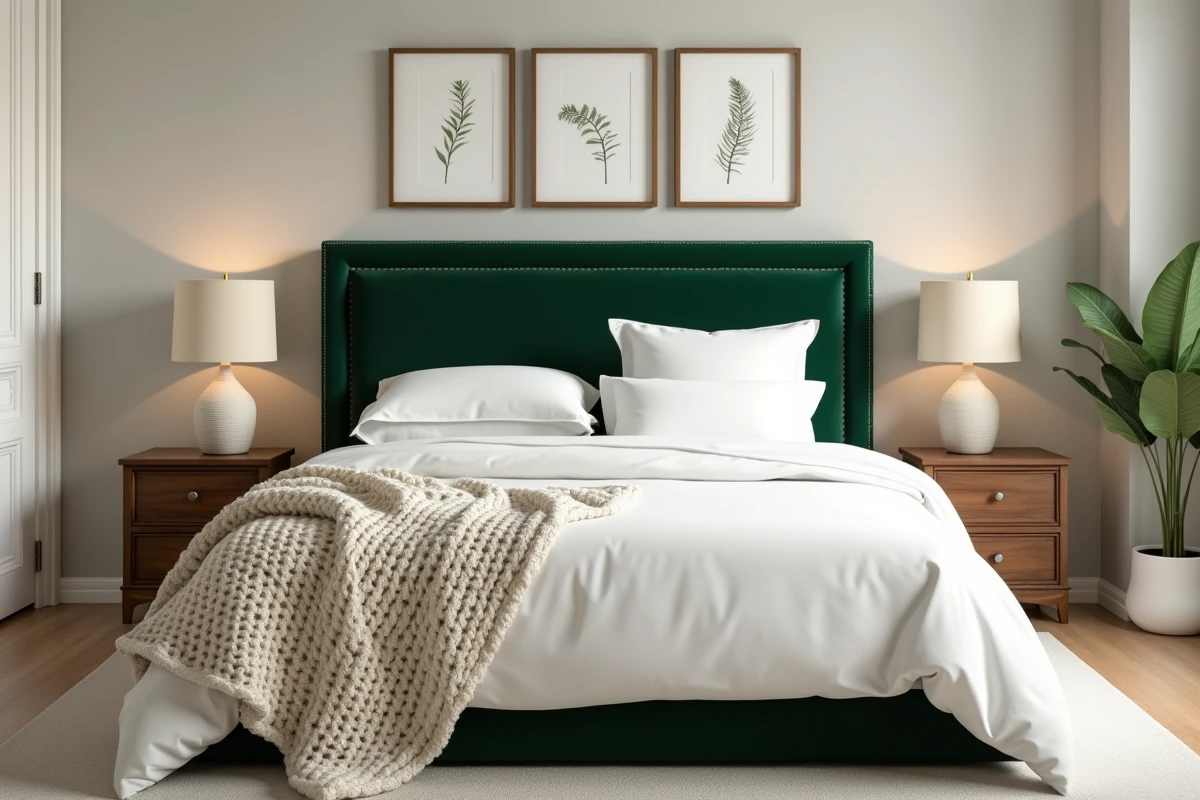
Adjustable temperature bulbs allow for switching from a cool light during the day to a warm light in the evening. This single change radically alters the ambiance of a living room or bedroom, at a modest cost.
Neuro-inclusive decoration: adapting the space to real sensitivities
Professionals are noticing a rise in decoration adapted for neurodivergent individuals (hypersensitive, ADHD, autistic). The subject goes beyond a trend: it is about designing spaces where visual stimuli are controlled.
In practice, this means reducing aggressive patterns (no busy geometric wallpaper in a bedroom), choosing soothing palettes with few harsh contrasts, and installing adjustable lighting. The structuring of the space also matters: each area has a readable function, without unnecessary visual clutter.
This is not reserved for a specific audience. An interior designed to limit sensory overload benefits everyone, especially in rest areas. Fewer visual stimuli often produce a more elegant space, because the gaze settles instead of bouncing from one object to another.
Two concrete adjustments to start
Removing decorative elements that haven’t been looked at in six months frees up wall and mental space. Replacing a fixed light with a dimmer in the bedroom or office allows for adapting the ambiance to the current level of fatigue.
These choices are as much about interior design as they are about daily comfort. The most successful decoration is not the one that stands out in photos, but the one that works when you live in it, morning and evening, week after week.