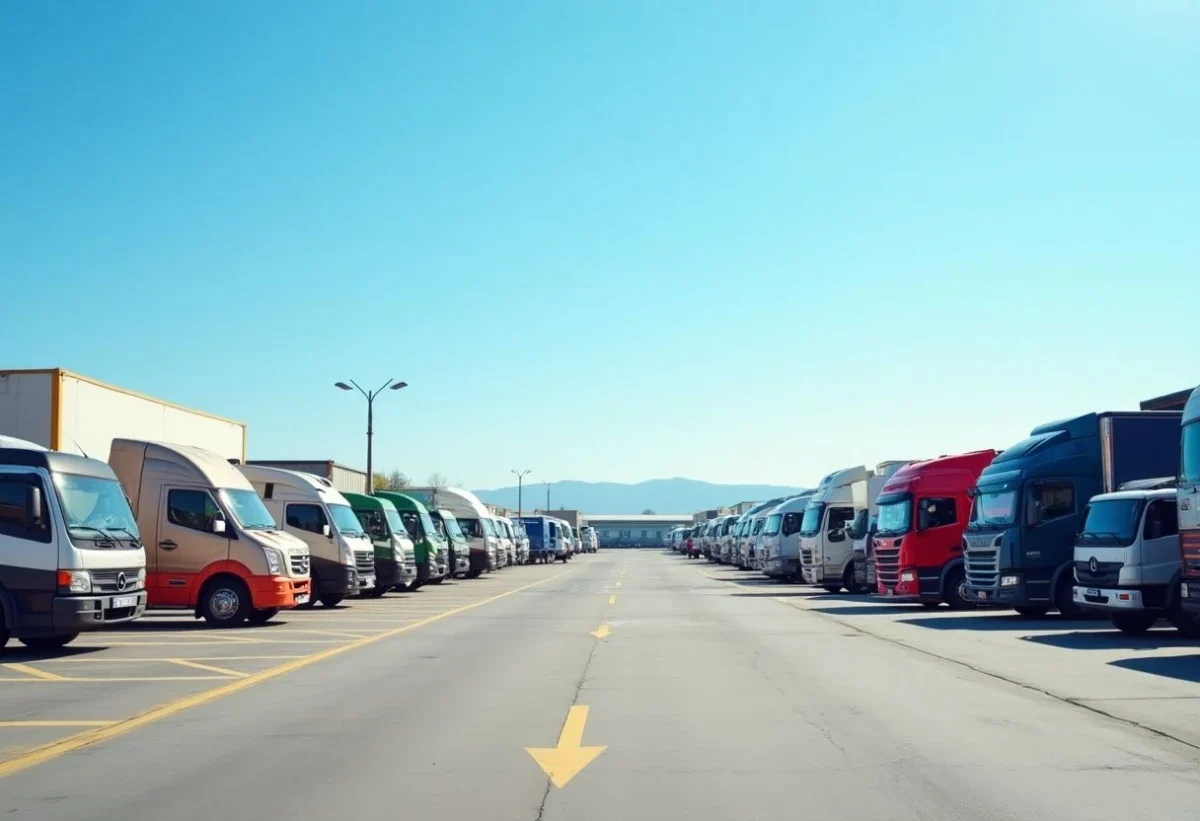
Fleet management has become a major issue for many companies around the world. As the global economy evolves rapidly, businesses are looking to optimize their costs and improve their operational efficiency. Managing vehicles, whether cars, trucks, or other types of transport, plays a crucial role in this quest for optimization. By effectively managing their fleet, companies can reduce costs, enhance customer service, and strengthen their competitive position.
Technological tools for fleet management
Technological development has revolutionized fleet management by providing innovative tools to track, analyze, and optimize vehicle usage. These technologies have become essential for modern fleet managers.
In this digital age, GPS and telematics tracking systems have become indispensable. They not only allow for real-time location tracking of each vehicle but also collect valuable data on driving habits and vehicle condition. This information is crucial for ensuring driver safety and optimizing routes.
Fleet management software offers advanced features that enable proactive management of operations. They can predict maintenance needs, send alerts for insurance renewals, and help plan the most efficient routes. By integrating these tools, companies can improve fleet efficiency while reducing costs.
The rise of artificial intelligence (AI) brings another level of optimization. AI can analyze massive volumes of data to identify trends and suggest improvements. Machine learning algorithms can also anticipate potential problems before they occur, providing predictive solutions that minimize service interruptions.
The economic and environmental benefits of fleet management
Fleet management is a powerful lever for achieving economies of scale and reducing carbon footprints. Companies that know how to leverage it can realize significant savings while contributing to a more sustainable future.
- Reduction of operational costs: By optimizing routes and vehicle schedules, companies can reduce fuel consumption, which often represents one of the largest expenses for a fleet.
- Extension of vehicle lifespan: Regular and preventive maintenance keeps vehicles in good condition, thus reducing repair costs and increasing their lifespan.
- Reduction of environmental footprint: Using electric vehicles or alternative fuels helps reduce greenhouse gas emissions.
- Improvement of brand image: A company that highlights its commitment to sustainable practices can enhance its reputation among customers and partners.
The challenges of fleet management and how to overcome them
Although fleet management offers many advantages, it also presents challenges that companies must overcome to make the most of it.
- Logistical complexity: Managing a fleet involves coordinating numerous elements, from delivery schedules to maintenance needs, which requires careful planning and effective communication.
- Compliance with regulations: Regulations regarding road safety and environmental standards vary from country to country and are constantly evolving. Companies must stay informed to ensure compliance.
- Human resource management: Training and motivating drivers is essential to ensure safe and efficient driving, which involves ongoing training programs and appropriate incentives.
- Technological adoption: Integrating new technologies can be costly and may require restructuring existing processes. Companies must carefully evaluate technologies that will provide the best return on investment.